
Automotive
Wheel Balancing 101: The Key to a Smoother, Safer Ride

Introduction: What is Wheel Balancing and Why Does it Matter?
Ever been told you need to get your wheels balanced and thought, “What does that even mean?” Wheel balancing might sound like a technical term reserved for the pros at the auto shop, but trust us, it’s an essential part of keeping your car in top shape. More than just a buzzword, wheel balancing plays a major role in your car’s performance, safety, and comfort.
If you’ve been noticing a bumpy ride or uneven tyre wear, it might be time to pay attention to your wheel balancing. In this blog, we’ll break down what wheel balancing is, why it’s important, and how it benefits you as a driver. So, let’s hit the road and get to the bottom of wheel balancing!
1. What is Wheel Balancing?
At its core, wheel balancing is the process of ensuring that your car’s wheels and tyres are evenly balanced and rotate smoothly. When a wheel is properly balanced, it spins without causing any vibrations or uneven wear.
What It Looks Like:
- Weight Distribution: Wheel balancing ensures that the weight of your tyres is evenly distributed around the wheel. If the weight is off, it can cause vibrations or wear.
- Smooth Rotation: When your wheels are balanced, they rotate smoothly, reducing strain on your vehicle’s suspension and other components.
Why It’s Important:
- Over time, the wear and tear on your tyres can lead to imbalances. Without proper balancing, these imbalances can lead to uneven tyre wear, poor handling, and even damage to your suspension system.
Fun Fact:
- Unbalanced tyres can reduce the life of your tyres by 10,000 to 15,000 kilometres! That’s a lot of wear that could be avoided with a quick balance (Tyre and Rim Safety, Australia).
2. The Importance of Wheel Balancing
Wheel balancing isn’t just about keeping your tyres in tip-top shape; it’s about making your driving experience smoother, safer, and more comfortable. A properly balanced wheel contributes to a range of performance benefits that are hard to ignore.
What It Looks Like:
- Increased Safety: Properly balanced wheels ensure that your car handles predictably, reducing the risk of accidents caused by vibrations or uneven tyre wear.
- Improved Comfort: No more shaking, wobbling, or vibrating as you cruise down the highway. Balanced wheels mean a smoother ride for both you and your passengers.
- Longer Tyre Life: Proper balancing helps ensure that your tyres wear evenly, extending their lifespan and saving you money on replacements.
Why It’s Crucial:
- Uneven wear on your tyres, caused by unbalanced wheels, can lead to issues like reduced traction and increased braking distances. This affects not just your comfort but your safety.
- Unbalanced wheels can lead to vibrations, which can strain your vehicle’s suspension and steering components, leading to costly repairs down the road.
The Stats:
- According to the Australian Bureau of Statistics, nearly 20% of drivers experience vibrations or steering issues due to imbalanced tyres, leading to a significant increase in repair costs.
- It’s estimated that 80% of tyre issues are related to balancing, which means balancing your tyres regularly can make a massive difference in your vehicle’s overall health.
3. When Should You Get Your Wheels Balanced?
The timing of your wheel balancing depends on various factors, including how frequently you drive, road conditions, and whether you’ve noticed any issues with your car. Ideally, you should check your wheel balance regularly to keep everything running smoothly.
What It Looks Like:
- Every 10,000 to 12,000 Kilometres: This is a general guideline for how often you should check your wheel balance. If you’re driving regularly, it’s a good idea to have your wheels balanced every time you rotate your tyres.
- After Tyre Changes: If you’ve just bought new tyres or swapped out old ones, it’s essential to balance them before driving.
- If You Notice Vibration: One of the most common signs of unbalanced wheels is vibration. If you feel the steering wheel vibrating at high speeds or a bumpy ride, it’s time for a balance.
Why It’s Crucial:
- Catching an imbalance early can prevent more serious issues, such as uneven wear or suspension damage. A little maintenance now can save you big costs down the road.
- Regular balancing ensures that your car continues to run smoothly and efficiently, improving both safety and performance.
4. The Process of Wheel Balancing
Wheel balancing is a relatively straightforward process that can be done at most auto shops. Here’s a simple breakdown of what’s involved when you get your wheels balanced.
What It Looks Like:
- Inspection: The technician will first inspect your tyres for any signs of wear or damage. They will check if the tyres are worn evenly or if there’s an issue that needs addressing.
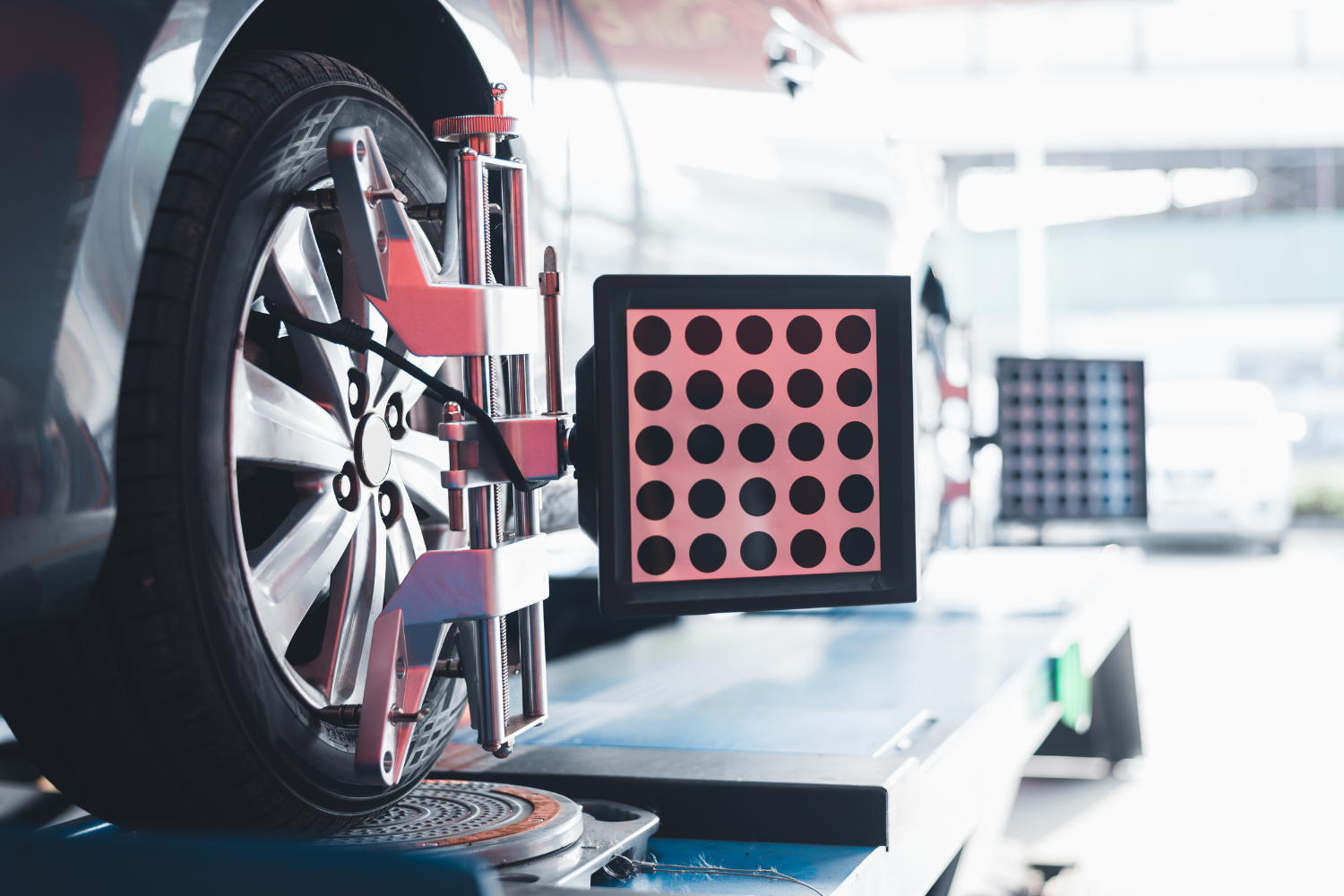
- Balancing Machine: A specialised machine is used to spin the wheel and determine where the imbalances are. Small weights are then added to the wheel’s rim to compensate for any uneven weight distribution.
- Test Drive: After balancing, the technician will often take the car for a quick spin to ensure that the tyres are balanced properly and that the ride is smooth.
Why It’s Crucial:
- The balancing machine is highly accurate and ensures that your tyres are evenly balanced down to the gram, which helps prevent uneven wear and vibrations.
- The process is quick, easy, and affordable, making it well worth the investment to ensure your car runs smoothly and safely.
5. The Benefits of Wheel Balancing
Now that you know what wheel balancing is and why it’s important, let’s explore how it benefits you as a driver.
What It Looks Like:
- Smoother Ride: The most immediate benefit of properly balanced wheels is the smoother, more comfortable driving experience. No more feeling every bump in the road or shaking at high speeds!
- Increased Tyre Life: By ensuring even wear, wheel balancing helps your tyres last longer, saving you money on replacements.
- Better Fuel Efficiency: Imbalanced tyres cause drag, meaning your engine works harder to keep the car moving. Balanced tyres reduce this drag and improve fuel efficiency, saving you money at the pump.
Why It’s Crucial:
- A smoother ride reduces strain on both your car and your body. Long drives become more comfortable, and your car’s suspension system will thank you!
- Longer tyre life and better fuel efficiency mean fewer trips to the garage and more money in your pocket.
The Stats:
- According to TyreSafe Australia, regular wheel balancing can increase tyre life by up to 30%, which translates to savings of hundreds of dollars over the life of your tyres.
Conclusion: Balance is Key to a Better Drive
In conclusion, wheel balancing might seem like a small detail, but it has a massive impact on the safety, performance, and comfort of your vehicle. By ensuring that your tyres are properly balanced, you can extend the life of your tyres, improve your car’s handling, and even reduce your fuel consumption.
Don’t wait until you’re experiencing vibrations or uneven wear to get your wheels balanced. Regular maintenance ensures that your car stays in tip-top shape, and it’s an easy, affordable way to keep your driving experience smooth and safe.
So, next time you’re at the auto shop, ask about wheel balancing—your car (and your wallet) will thank you.
FAQs
- How often should I get my wheels balanced?
Generally, it’s recommended to get your wheels balanced every 10,000 to 12,000 kilometres or when you change tyres. - Can I feel if my wheels are unbalanced?
Yes! If you feel vibrations, especially at higher speeds, or notice uneven tyre wear, it’s time to check the balance. - Is wheel balancing expensive?
Not at all! Wheel balancing is usually an affordable service, and it can save you money in the long run by extending the life of your tyres. - Can I balance my tyres myself?
It’s best to leave wheel balancing to the professionals, as they have the specialised equipment needed for accurate results. - Can unbalanced wheels affect my car’s performance?
Yes, unbalanced wheels can cause vibrations, uneven tyre wear, and reduce the efficiency of your vehicle. It can also put extra strain on the suspension system, leading to costly repairs.
You must be logged in to post a comment Login