
Business
Traffic Management: The Backbone of Smooth City Life

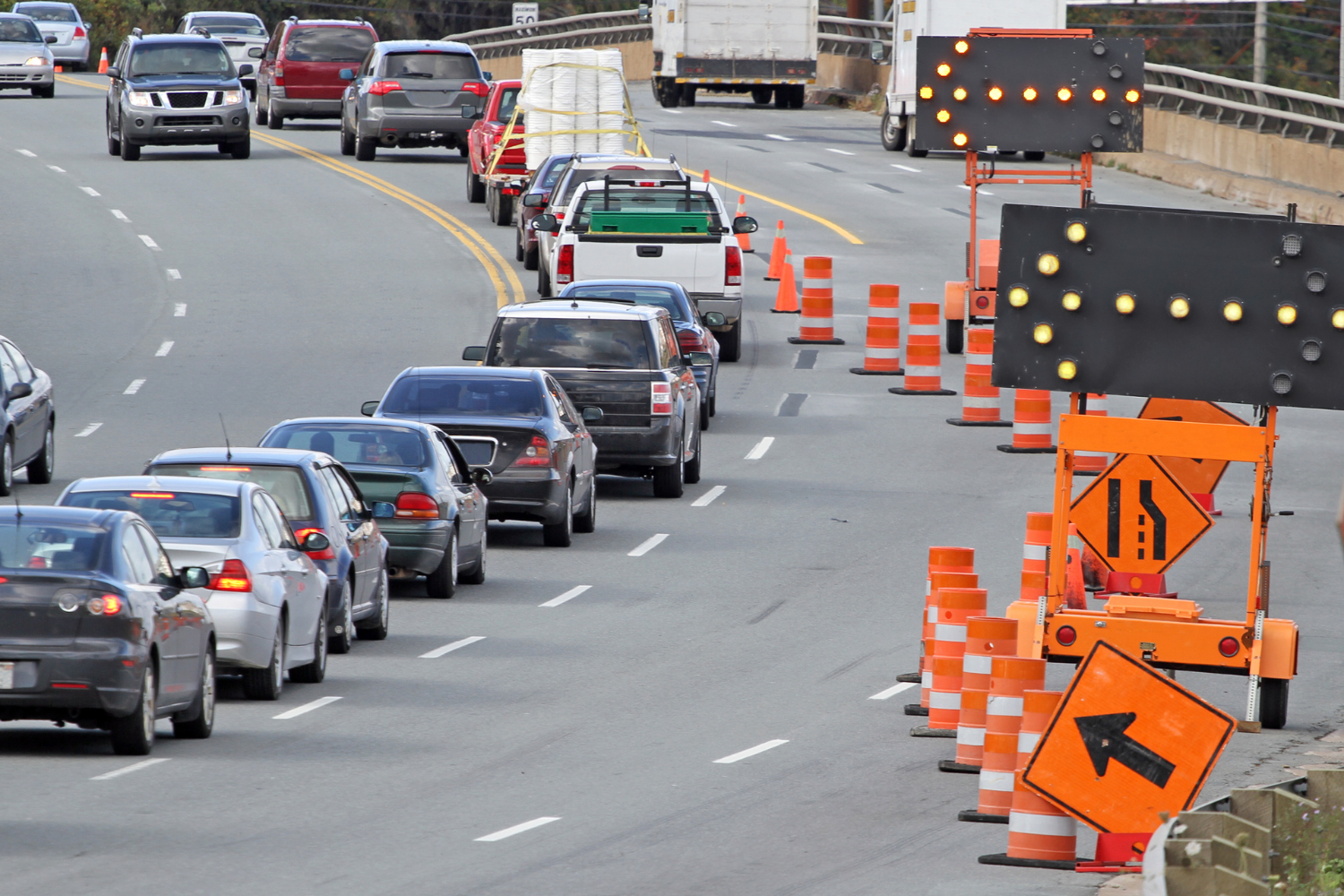
Introduction: The Daily Grind of Traffic Woes
If you’ve ever been stuck in a traffic jam, you know the frustration all too well. The endless honking, the creeping cars, the clock ticking away as you watch minutes turn into hours—it’s enough to make anyone’s blood boil. But here’s the thing: traffic congestion is more than just an inconvenience. It’s a complex issue that impacts everything from productivity and safety to the environment.
However, hidden behind those smooth-flowing roads and green lights is an intricate and well-thought-out system of traffic management. While you’re inching forward in bumper-to-bumper traffic, experts are working hard to keep things running as efficiently as possible.
In this blog, we’ll dive into what traffic management is, why it’s crucial for modern cities like Melbourne or Perth, and how it contributes to safer, more efficient urban mobility. Let’s break down the backbone of smooth city life, one green light at a time.
1. What is Traffic Management?
In simple terms, traffic management refers to the strategies and systems used to control the flow of vehicles, pedestrians, and cyclists to ensure safe, efficient, and sustainable transportation. It’s all about managing how people and goods move around cities, with the aim of minimising delays and preventing accidents.
What It Looks Like:
- Traffic signals and signs: These tell drivers when to stop, go, or slow down, and help direct traffic through complex intersections.
- Road markings: Lines on the road that help guide vehicles, show lanes, and indicate safe stopping zones.
- Intelligent traffic systems: Use sensors and data to monitor traffic flow in real time and adjust signals accordingly to keep traffic moving smoothly.
Why It’s Crucial:
- Traffic management ensures that roads are used in the most efficient way possible. Without it, chaos would reign, and gridlock would become the norm.
- It helps optimise the flow of traffic, ensuring that vehicles can get from point A to point B as quickly and safely as possible.
Fun Fact: According to the Australian Bureau of Infrastructure, Transport and Regional Economics, congestion costs the Australian economy approximately $16.5 billion annually.
2. How Traffic Management Improves Road Safety
One of the key functions of traffic management is improving safety on the roads. Traffic accidents are not only costly, but they can be deadly. Effective traffic management reduces the chances of accidents and ensures that drivers, cyclists, and pedestrians are safe.
What It Looks Like:
- Pedestrian crossings: Strategically placed crossings at key intersections help protect pedestrians and reduce the likelihood of accidents.
- Speed limits: Enforcing speed limits ensures that drivers stay within safe speeds, especially in areas with heavy pedestrian activity or sharp turns.
- Traffic monitoring: The use of cameras and sensors to track traffic conditions and identify any issues, such as accidents or road hazards, in real time.
Why It’s Crucial:
- Traffic management systems help reduce accidents by enforcing safe driving behaviour and controlling traffic flow.
- By providing clear instructions (e.g., traffic signals, lane markings) and maintaining smooth traffic flow, accidents are less likely to happen due to confusion or excessive speed.
The Stats:
- According to the Australian Road Safety Foundation, road accidents cost the Australian economy around $30 billion each year.
- Effective traffic management systems can significantly reduce this number by minimising accidents and promoting safer driving.
3. Benefits Beyond Safety: Reducing Congestion and Pollution
While safety is a major benefit of effective traffic management, there are other advantages that improve the overall quality of life in urban areas. From reducing congestion to cutting down on pollution, traffic management is an essential tool in improving city living.
What It Looks Like:
- Reducing congestion: Optimising traffic flow by adjusting signals and creating dedicated lanes can dramatically reduce congestion, allowing vehicles to travel more efficiently.
- Environmental impact: Reduced congestion means cars spend less time idling in traffic, leading to lower fuel consumption and fewer emissions.
- Public transport management: Dedicated bus lanes and integrated systems ensure that public transport can run smoothly, offering an alternative to private vehicles.
Why It’s Crucial:
- Traffic jams aren’t just annoying—they waste time and fuel. Efficient traffic management means people spend less time stuck in traffic, making cities more efficient and livable.
- By reducing congestion, traffic management helps cut down on harmful vehicle emissions, which contribute to air pollution and climate change.
The Stats:
- In Melbourne, traffic congestion is estimated to cost around $6.1 billion annually in lost productivity (Victoria’s Transport Department).
- By improving traffic flow, cities can save money, reduce fuel consumption, and decrease air pollution.
4. The Role of Traffic Management in Urban Development
As cities grow, so do the demands on their transport systems. Effective traffic management is crucial for ensuring that roads, intersections, and public transport systems can handle the increasing number of vehicles and people moving through urban areas.
What It Looks Like:
- Urban planning integration: Traffic management is integrated into urban development plans to ensure new developments don’t add to congestion.
- Infrastructure improvements: Building more efficient roads, tunnels, and bridges helps alleviate traffic bottlenecks and improve connectivity between different parts of the city.
- Public transport coordination: Traffic management includes synchronising traffic lights with bus or tram schedules to ensure smooth connections and reduce waiting times.
Why It’s Crucial:
- With population growth and increased urbanisation, cities must plan their traffic management systems carefully to keep things moving.
- Proper traffic management supports economic growth by improving accessibility and ensuring efficient movement of goods and people.
The Stats:
- The global urban population is expected to reach 6.7 billion by 2050, which means the demand for effective traffic management is only going to grow (United Nations, 2018).
- In Australian cities like Melbourne and Sydney, traffic management is becoming increasingly important as the population grows and more people rely on public transport.
Conclusion: The Lifeblood of Urban Mobility
Effective traffic management isn’t just about avoiding traffic jams. It’s about creating safer, more efficient, and more sustainable cities. From improving road safety to reducing congestion and pollution, traffic management plays a crucial role in the modern world.
It’s clear that as cities grow and become more connected, having an efficient and well-planned traffic management system is no longer a luxury—it’s a necessity. Whether it’s using intelligent traffic systems to optimise flow or building better infrastructure to support a growing population, traffic management is the backbone of smooth city life.
So, the next time you’re cruising through a well-maintained intersection without a hiccup, remember the traffic management experts working behind the scenes to make your journey as smooth as possible. And next time you’re stuck in traffic, give them a thought—it’s all part of the system designed to get you where you need to go.
FAQs
- What is the main goal of traffic management?
The main goal is to ensure the smooth and safe flow of traffic, minimise congestion, reduce accidents, and improve overall road efficiency. - How does traffic management reduce pollution?
By reducing congestion, traffic management ensures that vehicles don’t sit idling for long periods, which in turn reduces fuel consumption and harmful emissions. - Is traffic management only about roads?
No, it also includes managing public transport, pedestrian paths, cycling lanes, and integrating all modes of transport for a smoother urban experience. - What technologies are used in modern traffic management?
Technologies such as intelligent traffic lights, sensors, cameras, and real-time data analytics are used to optimise traffic flow and improve road safety. - Can traffic management solve all congestion problems?
While traffic management can alleviate congestion, it’s also essential to invest in infrastructure, public transport, and urban planning to address the growing demands of cities.
Graph: Impact of Traffic Management on Congestion and Productivity
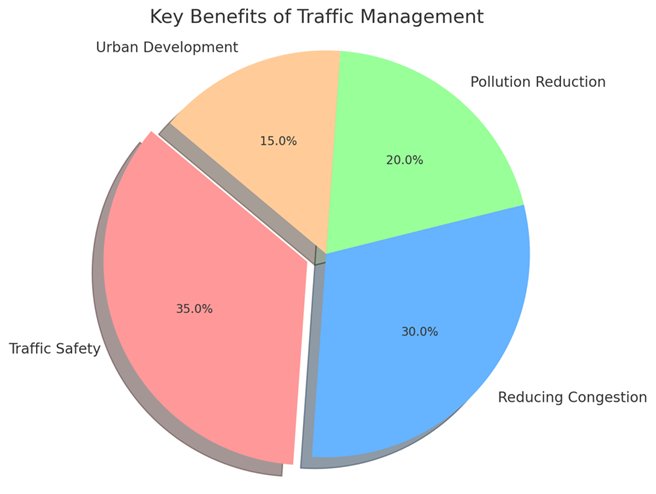
Here is a pie chart showing the key benefits of traffic management. As you can see, traffic safety takes the largest share, followed by reducing congestion, pollution reduction, and urban development. This highlights how traffic management plays a vital role in ensuring road safety, reducing traffic bottlenecks, and improving the overall sustainability of urban environments.
You must be logged in to post a comment Login