
Listing
How NDIS Exercise Physiology Supports Better Mobility and Independence

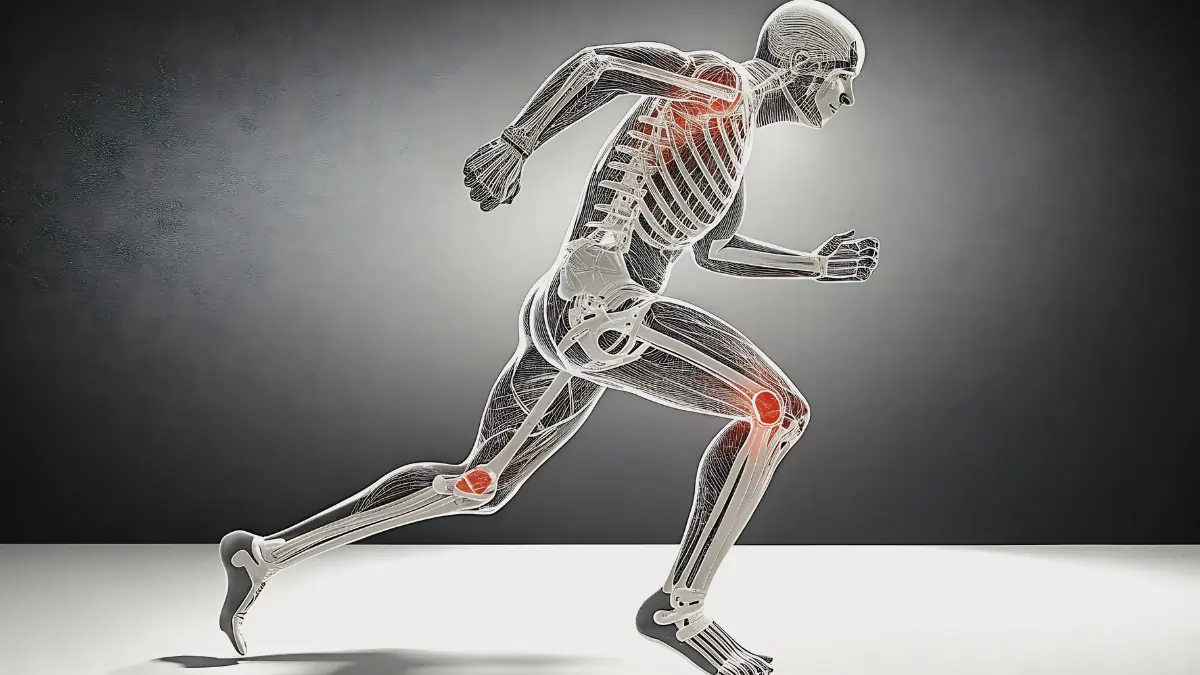
Living with a disability can sometimes make daily activities physically challenging. The National Disability Insurance Scheme (NDIS) aims to provide support that improves confidence, functionality and independence. One of the most effective allied health services available under the NDIS is NDIS Exercise Physiology.
Exercise Physiology uses evidence-based exercise programs to help individuals improve strength, mobility, balance, and daily function. Whether someone is living with a neurological disorder, physical disability, chronic pain, or limited mobility, the right exercise plan can significantly improve quality of life.
In cities like Sydney, where support and health services are highly accessible, Exercise Physiology in Sydney has become an essential part of health planning for NDIS participants.
What Is NDIS Exercise Physiology?
NDIS Exercise Physiology is a specialised service delivered by qualified Exercise Physiologists who design movement-based therapy programs tailored to individual needs. Unlike general fitness training, exercise physiology focuses on functional rehabilitation to:
- Improve physical capability
- Reduce symptoms of disability or chronic conditions
- Build strength and endurance
- Assist with movement goals
- Support independence in daily life
Exercise physiologists are university-qualified professionals who understand how disability or health conditions affect the body. Their programs are carefully designed to be safe, effective, and progressive.
How NDIS Exercise Physiology Improves Mobility
Mobility limitations are common among NDIS participants due to conditions such as cerebral palsy, stroke, amputation, multiple sclerosis, autism spectrum disorder, or musculoskeletal impairments.
Exercise Physiology focuses on targeted movement strategies to improve:
| Mobility Goal | How Exercise Physiology Helps |
|---|---|
| Walking or gait training | Strengthening legs, balance training, coordination exercises |
| Transfers and movement confidence | Safe lifting, posture training, weight shifting practice |
| Reduced stiffness and pain | Stretching, joint mobility techniques, functional movement |
| Better endurance | Cardiovascular conditioning tailored to ability |
With consistent support, many participants experience increased confidence moving independently around their home and community.
Supporting Daily Independence
Independence goes beyond mobility — it includes being able to participate in everyday tasks and enjoy greater freedom.
Through NDIS Exercise Physiology, participants can work on skills such as:
- Climbing stairs
- Getting in and out of vehicles
- Carrying groceries
- Standing longer for personal care
- Participating in hobbies or sports
These improvements make daily life more manageable and empower individuals to reach personal lifestyle goals.
Mental & Emotional Benefits
Mobility is only one part of independence — confidence and motivation also matter.
Exercise Physiology can help participants experience:
- Reduced anxiety and stress
- Improved mood and emotional stability
- Increased energy
- Better quality sleep
- Stronger feelings of self-worth
Regular movement supports mental health by stimulating positive hormones and creating a sense of control and achievement.
Accessing Exercise Physiology in Sydney Through the NDIS
Sydney offers a wide network of registered providers specialising in Exercise Physiology. NDIS participants can access services through:
- Capacity Building Supports
- Improved Daily Living category
Sessions can take place:
- In clinic
- At home
- In the community
- At gyms or hydrotherapy pools
This flexibility allows participants to engage in therapy in a way that feels comfortable and motivating.
Who Can Benefit?
NDIS Exercise Physiology is suitable for participants with:
- Neurological conditions
- Developmental delays
- Physical disabilities
- Chronic illness
- Musculoskeletal injuries
- Mental health-related physical decline
Every program is tailored to the participant’s age, ability, and goals.
Final Thoughts
NDIS Exercise Physiology is more than just exercise — it is a pathway to confidence, independence and long-term wellbeing. By improving mobility, physical function and daily capability, participants can gain greater control over their lifestyle and future goals.
For those seeking Exercise Physiology in Sydney, access to professional and personalised support can make a meaningful difference. With the right guidance, every participant has the potential to move better, live stronger, and enjoy greater independence.
Also Read This: Save Cash on Tyre Repairs This Year