
Automotive
Strange Noises From Your Car? Here’s What They Could Mean

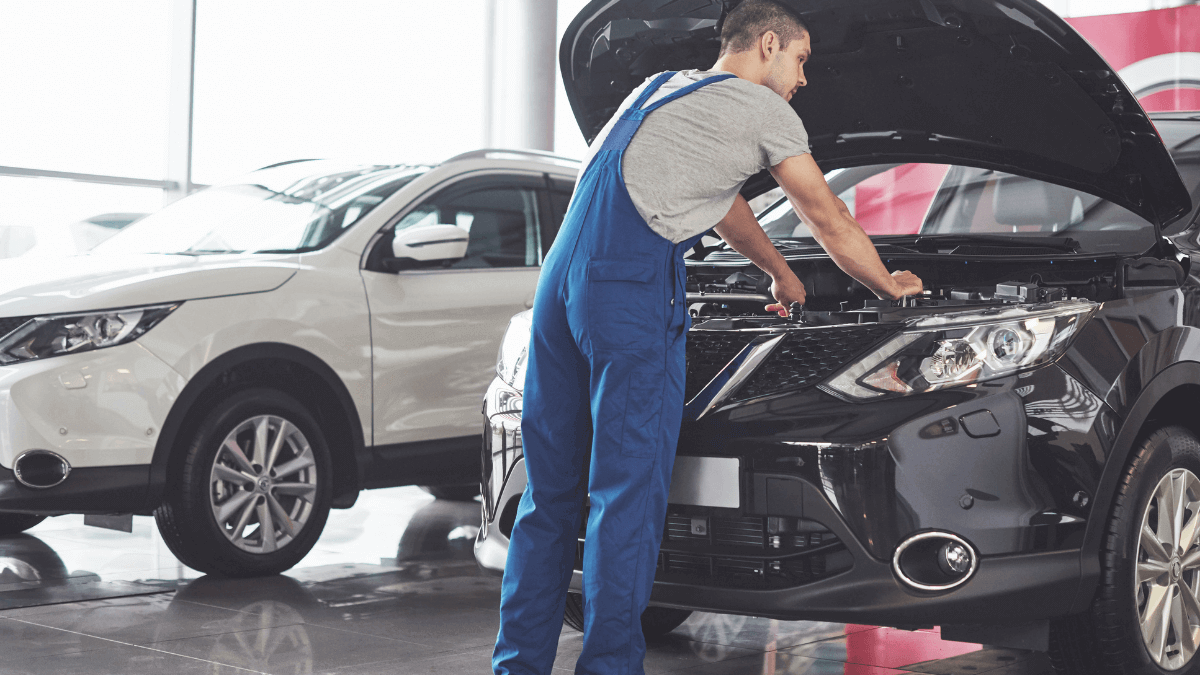
Cars rarely develop problems without warning. In many cases, unusual sounds are the first sign that something needs attention. Whether it’s a squeal when braking, a knocking sound from the engine, or a grinding noise during turns, these signals should never be ignored. Drivers who hear strange noises often turn to a mechanic karratha service to diagnose the issue early and avoid costly repairs. Understanding what these sounds mean can help vehicle owners act quickly and protect their car from further damage.
Many drivers in the Karratha area rely on experienced automotive professionals, such as mechanic karratha when unusual sounds appear. While some noises may have simple explanations, others can point to serious mechanical problems that require immediate inspection.
Why Strange Car Noises Should Never Be Ignored
When a vehicle starts making unfamiliar sounds, it usually indicates that something inside the system isn’t functioning properly. A qualified mechanic karratha specialist can often identify issues simply by listening to the type of noise and checking the affected components.
Ignoring strange sounds can lead to larger problems such as engine damage, brake failure, or worn suspension parts. Vehicles are complex machines with many moving components working together. When one part begins to fail, the stress often spreads to surrounding systems.
Some common reasons unusual noises appear include:
- Worn-out brake pads
- Loose belts or pulleys
- Suspension wear
- Engine component damage
- Transmission issues
Early diagnosis allows technicians to fix minor problems before they become expensive repairs. That is why professional inspections from trusted services like Mechanic Karratha are valuable for maintaining vehicle reliability.
Common Car Noises and What They Usually Mean
Different sounds often point to specific mechanical issues. Recognising these noises can help drivers explain the problem clearly when visiting a workshop.
Squealing When Braking
A high-pitched squeal during braking is one of the most common car noises. This sound usually indicates worn brake pads. Most brake pads include a small metal indicator designed to produce a squealing noise when the pads need replacement.
Possible causes include:
- Brake pads are reaching the end of their lifespan
- Dust or debris trapped in the braking system
- Warped brake rotors
If the squeal turns into a grinding noise, the brake pads may already be worn down completely, which requires immediate attention.
Knocking or Pinging From the Engine
A knocking sound from the engine can signal a combustion problem. This noise often occurs when fuel burns unevenly inside the cylinders.
Common reasons include:
- Low-quality fuel
- Incorrect ignition timing
- Carbon buildup in the engine
Drivers hearing persistent engine knocking should schedule a professional inspection quickly. Engine-related issues can escalate rapidly if left unresolved.
Grinding While Shifting Gears
Manual and automatic vehicles can both produce grinding sounds during gear changes. This noise typically points to transmission problems.
Possible issues may involve:
- Worn clutch components
- Low transmission fluid
- Damaged gears
Transmission repairs can become expensive if delayed, which is why vehicle owners often consult a mechanic karratha expert when these sounds appear.
Rattling Sounds While Driving
Rattling noises often occur when something becomes loose within the vehicle. The sound may come from under the hood, beneath the car, or inside the exhaust system.
Common sources of rattling include:
- Loose heat shields
- Worn suspension parts
- Exhaust system damage
- Loose engine mounts
Although some rattling noises may be minor, others can indicate structural problems that require immediate repair.
Humming or Whining While Accelerating
A steady humming or whining noise that increases with speed can indicate issues with rotating components. This sound may come from the transmission, wheel bearings, or differential.
Drivers experiencing this type of noise should pay attention to when it occurs. If the sound becomes louder during acceleration or turning, it could signal worn bearings or drivetrain problems.
In the middle of diagnosing these issues, many vehicle owners consult professionals at Route1Mechanical, a workshop known in the area for vehicle diagnostics and repairs. An experienced mechanic karratha technician can inspect the drivetrain, wheels, and transmission components to determine the source of the problem.
Clicking Noises When Turning
A clicking sound while turning the steering wheel is often linked to the vehicle’s constant velocity (CV) joints. These joints are responsible for transferring power from the transmission to the wheels.
When the protective CV boot cracks or tears, grease leaks out and dirt enters the joint, causing wear.
Signs of CV joint issues include:
- Clicking during sharp turns
- Grease is visible near the wheels
- Vibrations while driving
Replacing a damaged CV joint early can prevent more severe drivetrain damage.
How Professional Diagnosis Helps
While some noises may seem minor at first, diagnosing them without proper tools can be difficult. Professional workshops rely on specialised equipment and experience to locate mechanical faults quickly.
Services provided by workshops such as Mechanic Karratha typically include:
- Full vehicle inspections
- Engine diagnostics
- Brake system checks
- Suspension testing
- Transmission assessments
These checks allow technicians to pinpoint the exact cause of unusual sounds and recommend the correct repair solution.
Preventing Future Car Noises
Regular maintenance plays a major role in preventing unusual vehicle sounds. Servicing schedules help ensure that critical components remain in good working condition.
Drivers can reduce the chances of mechanical noise by:
- Following recommended service intervals
- Checking fluid levels regularly
- Replacing worn brake pads promptly
- Inspecting belts and hoses
- Addressing small issues before they worsen
Routine inspections from experienced technicians help maintain vehicle safety and performance.
Conclusion
Strange noises from a car should always be taken seriously. From squealing brakes to engine knocking or rattling exhaust components, these sounds often serve as early warning signs of mechanical problems. Identifying the noise and addressing it quickly can prevent expensive repairs and improve overall vehicle reliability.
Drivers who hear unfamiliar sounds should seek professional assistance to diagnose the issue accurately. Workshops provide the expertise needed to identify mechanical faults and restore vehicles to safe operating condition.
FAQs
1. What should be done if a car starts making a strange noise while driving?
It is best to reduce speed, observe when the noise occurs, and schedule an inspection with a qualified mechanic as soon as possible.
2. Is it safe to drive a car that makes grinding noises?
Grinding sounds often indicate brake or transmission problems. Continuing to drive could worsen the damage and create safety risks.
3. Why does a car squeal when braking?
Squealing brakes usually mean the brake pads are worn and need replacement, though debris in the system can also cause the noise.
4. What causes a clicking noise when turning?
Clicking while turning is commonly linked to worn CV joints, which transfer power from the transmission to the wheels.
5. How often should a vehicle be inspected to prevent mechanical noises?
Most vehicles should be inspected during regular servicing, typically every 10,000–15,000 kilometres or according to the manufacturer’s recommendation.