
Eco Friendly
Eco Friendly Packaging: Smart Choices for a Greener Everyday Australia

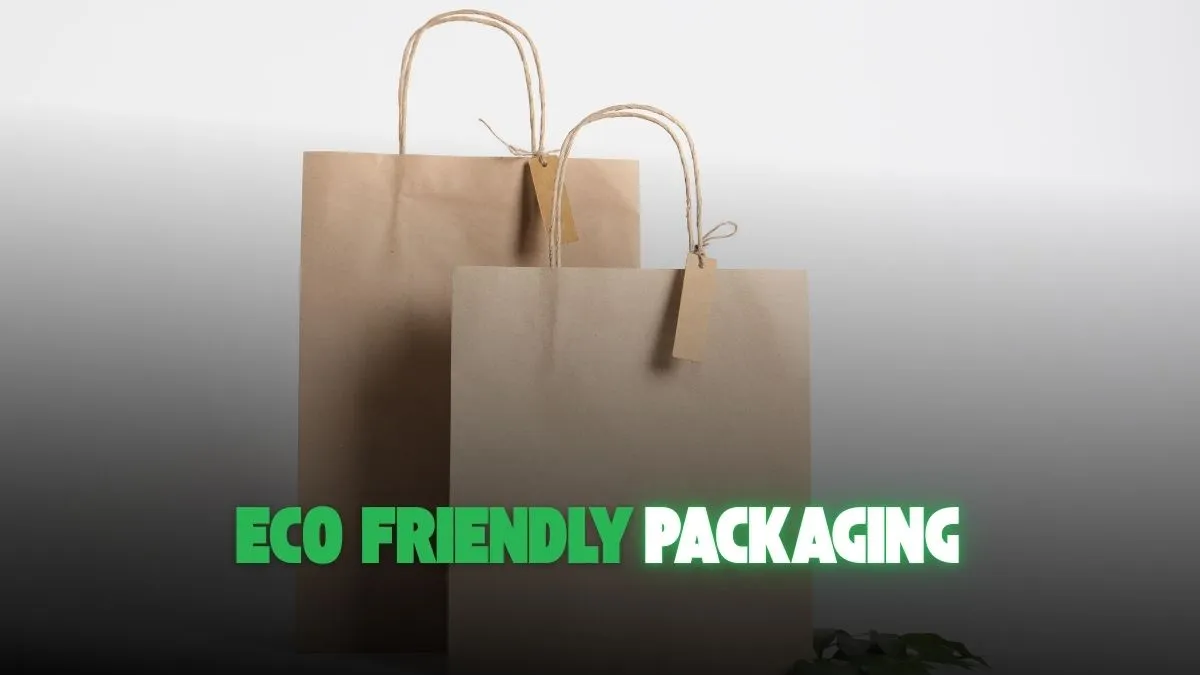
As Australians become more conscious of how everyday habits impact the environment, eco friendly packaging has moved from being a niche idea to a practical, real-world solution. From local cafés to online retailers, more businesses and households are rethinking how products are packed, shipped, and reused — and for good reason.
This guide breaks down what eco-friendly packaging really means, why it matters, and how it’s already being used across Australia in simple, effective ways.
What Is Eco-Friendly Packaging?
Eco-friendly packaging refers to materials and designs that reduce environmental harm throughout their lifecycle. This includes:
- Recyclable materials like cardboard, paper, and aluminium
- Compostable packaging made from plant-based materials
- Reusable packaging designed to be used multiple times
- Minimal packaging that avoids unnecessary waste
Unlike traditional plastic packaging, eco-friendly alternatives aim to reduce landfill waste, lower carbon emissions, and conserve natural resources.
Why Eco-Friendly Packaging Matters in Australia
Australia generates millions of tonnes of packaging waste every year, with a large portion ending up in landfill or the ocean. Choosing sustainable packaging helps:
- Cut down plastic pollution in waterways and coastal areas
- Reduce energy use in manufacturing
- Support Australia’s National Packaging Targets
- Encourage responsible consumer habits
More importantly, it aligns with the growing demand from Australian consumers who prefer brands that show genuine environmental responsibility.
Real-Life Uses of Eco-Friendly Packaging
Eco-friendly packaging isn’t just a trend — it’s already part of everyday life.
Local cafés and takeaway shops
Many cafés now use compostable coffee cups, paper straws, and cardboard food containers. These break down naturally and are far better for the environment than plastic alternatives.
E-commerce and online businesses
Australian online retailers are switching to recycled cardboard boxes, paper-based tape, and biodegradable mailers. Some even encourage customers to reuse packaging for returns or storage.
Moving and storage solutions
People relocating homes are opting for reusable plastic moving crates or recycled cardboard boxes instead of single-use packing materials. It’s a simple change that significantly reduces waste during a move.
Supermarkets and fresh food markets
From paper produce bags to compostable fruit trays, eco-friendly packaging is helping reduce plastic use while keeping food fresh and safe.
Benefits Beyond the Environment
Using eco-friendly packaging isn’t just good for the planet — it also makes practical sense.
- Cost-effective over time due to reusability
- Improves brand trust and customer loyalty
- Meets modern regulations and standards
- Enhances product presentation with clean, natural materials
For businesses, it shows accountability. For consumers, it offers peace of mind.
How to Choose the Right Eco-Friendly Packaging
When selecting sustainable packaging, consider:
- Is it recyclable or compostable in your local council area?
- Does it protect the product effectively?
- Can it be reused or repurposed?
- Is the material sourced responsibly?
Reading labels and asking suppliers the right questions can make a big difference.
Small Changes, Big Impact
Eco-friendly packaging proves that sustainability doesn’t have to be complicated. Whether it’s choosing a compostable takeaway container, switching to recycled boxes for shipping, or reusing packaging at home, every small step counts.