
Home & Garden
What a Tidy Home and Garden Can and Cannot Do for Your Health

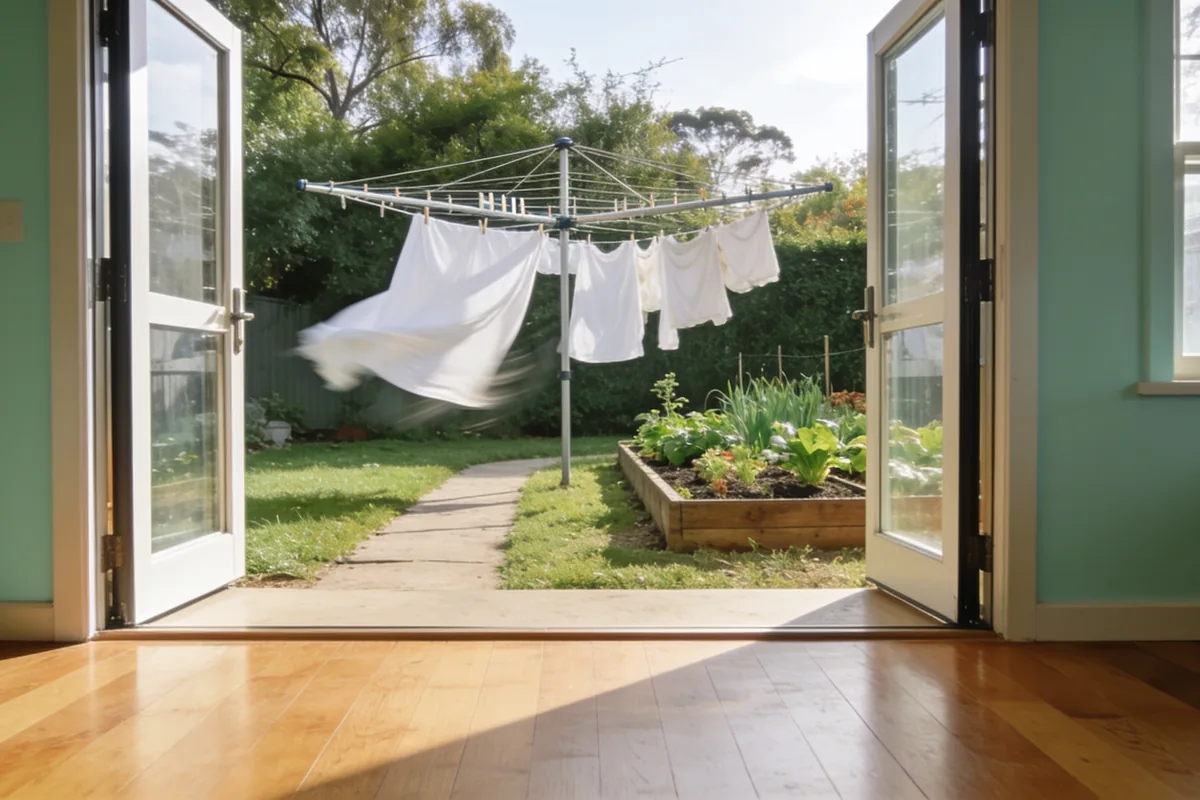
Job for today: a 40-minute reset that does the most for your health. You can do it in one go or split it across the week.
- Open the windows and doors in the rooms you use most, so air moves through. Two minutes.
- Strip your bed and start a wash of the sheets and pillowcases. Five minutes.
- Wipe the bedside table, shelves and window sills with a damp cloth. A dry duster mostly moves dust around. Ten minutes.
- Clear the floor of trip hazards: cords, loose shoes, mats with curling edges. Do the hallway and stairs first. Five minutes.
- Look at the bathroom corners, the window frames and the space under the sink for damp or mould. Wipe small spots with detergent and note any that come back. Five minutes.
- Go outside and weed or water one garden bed. Ten minutes.
- Put the washing on the line or in the dryer, and sit down. Three minutes.
That’s the whole job. The rest of this post explains why those steps were chosen, and what a tidy house will and won’t do for you.
What a clean home can reasonably do
It can cut down on some asthma and allergy triggers. Dust, mould, pet hair and pollen are common triggers for people with asthma and allergies. Asthma Australia lists them as triggers, which is why steps 1 to 3 and 5 are on the list. Damp-wiping, washing bedding regularly and fixing the cause of damp are the practical moves. If someone in your home has asthma, their asthma action plan from their doctor is the thing to follow, and cleaning supports it rather than replaces it.
It can lower the chance of a fall. Trip hazards are a plain, boring and very real risk, particularly for older people. Healthdirect covers falls prevention, and clearing floors and keeping steps and paths clear is at the front of every list. That’s step 4.
It can make a space easier to live in. Many people find that a tidy room feels calmer and makes it easier to find things. That’s an everyday experience, not a clinical finding, and it’s fine to enjoy it for what it is. The old claims you’ll see online, that clutter drives anxiety up by a set percentage or that a clean room reliably cuts stress, don’t come with a source that holds up, so this post doesn’t repeat them.
What the garden adds
Gardening is physical activity, and being outdoors tends to lift how people feel. Beyond Blue lists regular physical activity among the things that can support mood, and weeding, digging and carrying water all count as movement. You don’t need to count calories or hit a target. A garden gives you a reason to be outside, a bit of sun and something small to finish.
If you’re thinking about an easier-care garden that suits Australian conditions, our post on creating an eco-friendly garden covers native plants, water and compost.
What a tidy home and garden won’t do
Be careful with the promise that a clean house and a neat garden are “essential” to your health. They help with specific things, and they’re worth doing, but they’re not a treatment.
- A tidy home won’t cure depression or anxiety. If low mood or worry has been sitting on you for weeks, a GP is the right first call, and our post on the signs of common mental health conditions explains what to look for.
- A clean house won’t stop an asthma attack. Triggers are only one part of managing asthma.
- A garden won’t replace medical care or movement your doctor has advised.
- Cleaning to a hospital standard isn’t needed. Regular, ordinary cleaning is enough for most households.
The fair point for paying someone to help
Some people can’t do these jobs. An injury, a long illness, a bad back, caring for someone else or simply a very full week can make even the 40-minute version too much. For some older people, heavy jobs like cleaning high windows or clearing an overgrown yard are a genuine safety risk. In those cases, paid help or a lift from family or a neighbour is a sensible choice, and it isn’t a luxury. The point isn’t that you have to do everything yourself. It’s that the benefits come from the jobs being done, not from any particular way of getting them done.
If you do look for help, ask what’s included, whether workers are insured, and what the written agreement says. Those basics matter more than any promise about health.
Your next job
Pick one of the seven steps you haven’t done yet and put it in your diary for tomorrow. Step 5 is a good one to start with, because a patch of damp is easier to fix when you spot it early.
Sources: Asthma Australia, Asthma triggers (https://asthma.org.au/triggers/); Healthdirect Australia, Falls prevention (https://www.healthdirect.gov.au/accidents-and-injuries/falls); Beyond Blue, Physical activity and mental health (https://www.beyondblue.org.au/mental-health/wellbeing)


Pingback: Office Cleaning Agreement: Write the Scope First