
Healthcare
Veneers or Whitening Comes Down to the Questions You Ask

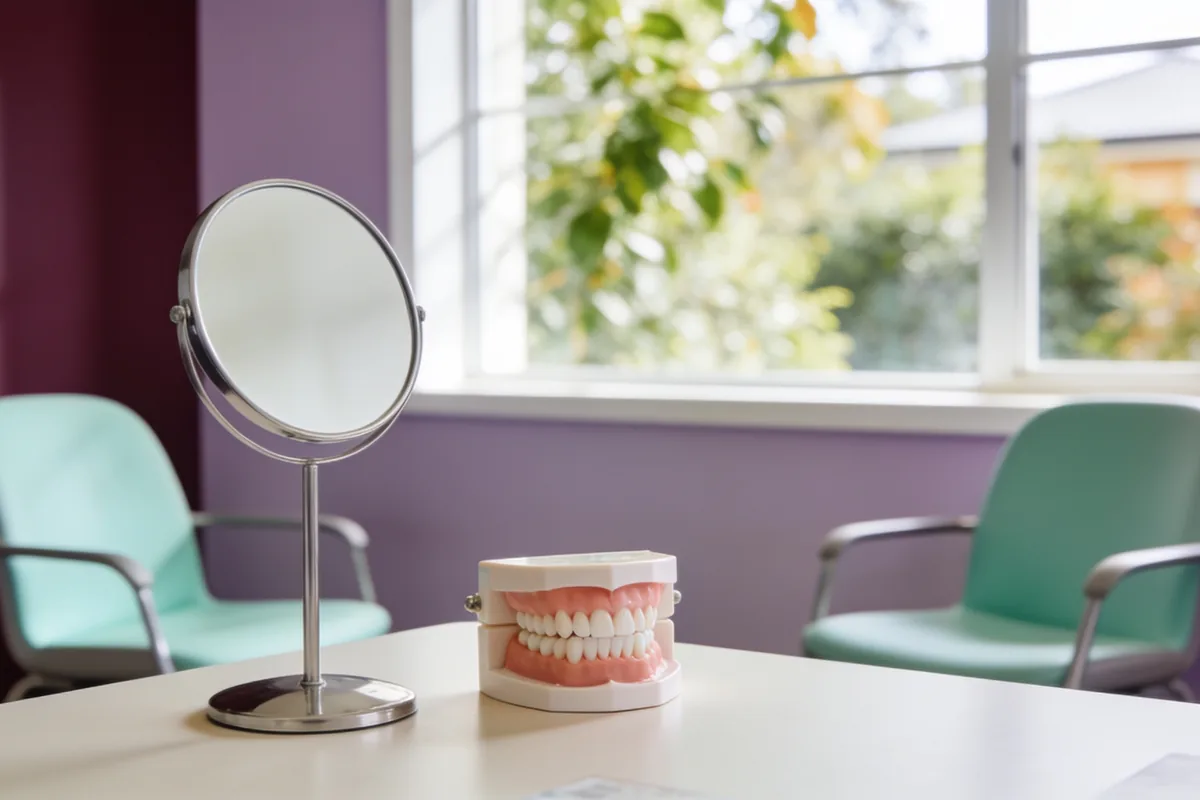
If you’ve been quietly thinking about your teeth for months, working out which photos you smile in and which you don’t, you’re in very good company. Wanting to feel easy about your smile is an ordinary thing to want, and it doesn’t need an excuse. You might find that the whole subject feels less daunting once you know the handful of options and the handful of questions that matter.
None of this replaces a dentist’s advice. What follows is general information to help you walk into an appointment feeling prepared, and your own dentist is the right person to say what suits your teeth.
The main options, in plain language
Cosmetic dentistry is a loose label for treatments done mainly to change how teeth look. The names can sound intimidating, but most of them fall into a few groups.
Whitening. Lightens the colour of your natural teeth. It doesn’t change their shape and it doesn’t work on fillings, crowns or veneers, which don’t respond to bleaching in the same way. Stronger professional products are generally supplied through dental practitioners, which is one good reason to start with a dentist rather than a kit from a shelf.
Bonding. A tooth-coloured resin is shaped onto the tooth to fix a small chip, close a gap or change the shape slightly. It’s often done in one visit, and often needs little or no removal of the natural tooth.
Veneers. Thin shells fixed to the front of teeth, made from porcelain or from a resin material. Some types need a thin layer of enamel removed first, and enamel doesn’t grow back. That makes this the option where it’s most worth asking the next question.
Gum contouring. Reshaping the gum line, usually for a “gummy” smile or uneven gums. It’s a treatment of the gums, not the teeth, so it’s often paired with something else.
Clear aligners and braces. These move teeth into a new position over time. They’re a cosmetic choice for some people and a functional one for others, which is worth asking a dentist or orthodontist to explain.
Crowns. A cap over a tooth, often used to protect or rebuild a damaged tooth. Sometimes the reason is structural, with the look as a bonus.
If the problem is a missing tooth rather than a tooth that looks different, that’s a related but separate conversation. Replacing a full set of teeth with implants or dentures is one of the routes, and a dentist can talk you through the others.
Questions to ask before you agree to anything
Take these with you, on your phone or on paper, and tick them off as you go.
- What’s the gentlest option that would get me close to what I want? A dentist will usually be glad to start with the least invasive treatment that does the job. It’s a perfectly reasonable thing to ask for.
- Does this treatment remove any of my natural tooth, and can it be undone? Some options leave your tooth as it was. Some don’t, and the answer shapes everything else.
- What are the alternatives, and why this one? You’re allowed to hear the other choices out loud.
- How long can I realistically expect it to last, for my mouth? Lifespan depends on the material, how you bite, whether you grind your teeth, how well you clean them, and how often you have check-ups. Ask for the answer in terms of your own teeth, not a number from a brochure, and ask what happens if something chips or wears.
- What’s the whole plan and the whole cost? Ask for a written quote that lists each step, each visit and anything that might come up later.
- What looking after it involves. Some options need a night guard, regular polishing or particular cleaning habits.
- Is the dentist registered? You can check any dental practitioner on the national register run by Ahpra, which takes about a minute.
Money, cover and the quiet surprises
Cosmetic work is usually treated as elective, and elective work is usually not covered by Medicare. Private health cover varies a great deal between funds and policies, and some treatments that look cosmetic have a health reason that changes the picture. The only reliable way to know is to ask your fund before you start, with the item code or description the dentist gives you.
It’s the same habit that helps with other elective procedures. If you’d like to see how that question plays out elsewhere, the guide to private health cover and laser eye surgery shows how fund rules can differ from the label on the treatment.
Get the quote in writing, ask whether there’s a payment plan if you need one, and give yourself a few days before you commit. A good practice will be comfortable with that.
A fair word for the other view
Some people want the most durable option on day one and are happy to accept that it will change their tooth. That’s a legitimate choice, and you don’t have to start with the gentlest treatment if you’ve understood the trade-off and you prefer the lasting one. The point of the questions isn’t to talk you out of anything. It’s to make sure the choice is yours.
What it comes down to
Feeling more comfortable about your smile is a fine goal, and a good dentist will treat it as one. If you only do one thing, write down the first two questions, take them to a dentist, and give yourself permission to take your time.
Sources: Australian Dental Association, Policy Statement 2.2.8, Teeth Whitening (Bleaching) By Persons other than Dental Practitioners (https://ada.org.au/policy-statement-2-2-8-teeth-whitening-bleaching-by-persons-other-than-dental-practitioners); Healthdirect Australia, Dental care and teeth health information (https://www.healthdirect.gov.au/procedures/dental-procedures-and-appliances/veneers); Ahpra, Register of practitioners (https://www.ahpra.gov.au/Registration/Registers-of-Practitioners.aspx)


Pingback: All-on-4 Implants or Dentures? Ask These First